A stuck filing cabinet drawer can halt office productivity, turning document retrieval into a frustrating battle. This common issue often has a straightforward DIY solution, saving time and expense. Most stuck filing cabinet drawers can be fixed by emptying the drawer, checking the cabinet’s level, cleaning debris from the tracks, and lubricating the slides, typically taking less than 30 minutes for minor issues.
Understanding Why Your Filing Cabinet Drawer Gets Stuck
Before you can fix a stuck filing cabinet drawer, it’s crucial to understand the common culprits behind the jam. Pinpointing the exact issue will guide you towards the most effective solution, preventing unnecessary effort and potential damage.
Several factors can lead to a drawer becoming difficult to open or close:
- Overloading: One of the most frequent reasons is simply putting too much in the drawer. Overstuffed files or heavy contents can warp the drawer itself or cause the slides to bind under the excess weight. Misaligned files or objects falling out the back can also create an obstruction.
- Debris on Tracks: Over time, dust, dirt, paper clips, pens, or other small office supplies can accumulate on the drawer slides or tracks. This debris creates friction, preventing the smooth movement of the drawer.
- Cabinet Not Level: An uneven surface can cause the entire filing cabinet to become slightly warped or twisted, leading to misalignment of the drawer tracks. This subtle shift can make one or more drawers difficult to operate.
- Damaged or Misaligned Hardware: The metal slides, rollers, or even the anti-tip mechanism (designed to prevent more than one drawer from opening at a time) can become bent, broken, or dislodged. Bent catch clips, a loose handle, or worn-out drawer roller bearings are also common issues.
- Locking Mechanism Issues: If your cabinet has a lock, the internal locking bars might be jammed or the horizontal release bar could have come loose. Even when unlocked, a faulty mechanism can keep drawers from moving.
- Cabinet Structure Damage: In some cases, the cabinet itself might have been bumped or moved, causing dents, cracks, or warping that directly affects how the drawers sit and slide.
- Lack of Lubrication: Metal-on-metal friction without proper lubrication can lead to sticking or squeaking, especially in older cabinets.
Identifying which of these issues you’re facing is the first critical step toward a successful DIY repair.
Essential Tools for DIY Filing Cabinet Drawer Repair
Before you begin troubleshooting, gather a few basic tools. Having these on hand will streamline the repair process and ensure you’re prepared for most common fixes. You likely have many of these items in your home or office already.
Here’s a list of the most useful tools:
- Screwdrivers: Both Phillips-head and flathead screwdrivers are essential for tightening loose screws, removing drawer handles, or gently prying components.
- Clean Cloths: For wiping away dust, dirt, and excess lubricant.
- Brush or Compressed Air: Ideal for clearing debris from drawer tracks and mechanisms. An old toothbrush can work effectively.
- Spirit Level: To check if your filing cabinet is sitting level on the floor.
- Shims: Small pieces of wood or plastic to place under the cabinet if it’s uneven.
- Silicone Lubricant Spray or White Lithium Grease: These are excellent for lubricating metal and plastic drawer slides without attracting too much dust. Avoid oil-based lubricants like WD-40 for long-term use on slides as they can attract more grime, though a quick application can sometimes help unstick a heavily rusted part. For wooden slides, candle wax or specialized paste wax works well.
- Putty Knife or Thin Rigid Object: Useful for gently prying open a stubborn drawer or manually releasing internal locking mechanisms.
- Pliers: Can be handy for straightening bent metal components like tracks or catch clips.
- Rubber Mallet: For gently reshaping minor dents in the cabinet frame, if applicable.
Having these simple tools ready will allow you to tackle most stuck drawer problems efficiently and safely.
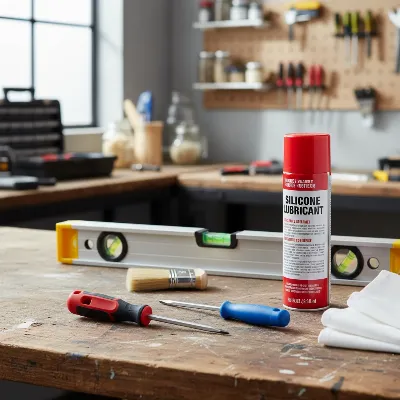 Essential tools for DIY filing cabinet drawer repair, including screwdrivers, lubricant, and a level
Step-by-Step Guide to Fixing a Stuck Filing Cabinet Drawer
Once you’ve identified the potential cause and gathered your tools, follow these steps to systematically diagnose and fix your stuck drawer. Start with the simplest solutions and work your way to more complex repairs.
1. Empty the Drawer and Inspect for Obstructions
|
Our Picks for the Best Filing Cabinet in 2026
As an Amazon Associate I earn from qualifying purchases.
|
||
| Num | Product | Action |
|---|---|---|
| 1 | Lorell NuSparc 3 Drawer Locking Filing Cabinet | Pre-Assembled Steel Construction | Space-Saving Design is Perfect for Home and Small Office | Letter-Size | Assembled in North America |

|
| 2 | HOOBRO 2 Drawer File Cabinet with Lock, Under Desk Mobile Filing Cabinet for Home Office, Wooden Farmhouse Office Storage Cabinet, Printer Stand Fits Letter and A4 Size, Walnut and White WH66WJ01 |
|
| 3 | 2 Drawer Small File Cabinet with Lock, Farmhouse Vertical Filing Cabinet Fits Letter and A4 Size, Under Desk Wooden File Cabinets for Home Office, Printer Stand, Rustic White |
|
| 4 | Letaya 3 Drawer Mobile File Cabinet with Lock,Under Desk Metal Filing Cabinets for Home Office Organizer Letters/Legal/A4((Fully Assembled-Black) |
|
| 5 | 3 Drawer Tall File Cabinet with Wheels, Farmhouse Vertical Filing Cabinet Fits Letter/A4 Size, Rolling File Cabinets Wooden Printer Stand for Home Office, Rustic White |
|
| 6 | 2 Drawer Locking Filing Cabinet | Pre-Assembled Steel Construction | Space-Saving Design is Perfect for Home and Small Office | Letter-Size | Assembled in North America |
|
| 7 | VASAGLE 2-Drawer File Cabinet, Small Rolling Filing Cabinet for Home Office, Printer Stand, for A4, Letter-Size Documents, 15.7 x 16.5 x 27.6 Inches, Snow White UOFC040W46 |
|
| 8 | VASAGLE 2-Drawer File Cabinet, Small Rolling Filing Cabinet for Home Office, Printer Stand, for A4, Letter-Size Documents, 15.7 x 16.5 x 27.6 Inches, Ink Black UOFC040B16 |
|
| 9 | VASAGLE 2 Drawers File Cabinet with Lock, Printer Stand, Office Filing Cabinet Organizer, for A4 and Letter Size Documents, Ink Black UOFC061B16 |
|
| 10 | 3 Drawer Small File Cabinet with Wheels, Farmhouse Vertical Filing Cabinet Fits Letter/A4 Size, Rolling File Cabinets Wooden Printer Stand for Home Office, Rustic White |
|
This is the most straightforward first step and often solves the problem.
- Remove Contents: Carefully try to remove as many files and items from the stuck drawer as possible. If the drawer can open even a little, lighten the load.
- Look for Fallen Items: Shine a flashlight into the cabinet from above and from the front (if possible) to check for objects that may have fallen behind the drawer or into the tracks. Pens, paper clips, binders, or even papers can easily jam the mechanism.
- Clear Obstructions: If you find anything, use tweezers, pliers, or a long, thin object to carefully remove it.
2. Check the Cabinet’s Leveling
An unlevel cabinet can cause significant issues, especially with multi-drawer units or lateral files.
- Use a Spirit Level: Place a spirit level on the top of the cabinet, checking both front-to-back and side-to-side.
- Adjust if Uneven: If the cabinet is not level, adjust the leveling feet (if present) by turning them. If there are no adjustable feet, place thin shims under the low points of the cabinet base until it sits flat and level. Even a slight adjustment can make a big difference.
3. Clean and Inspect the Drawer Tracks
Dirt and debris are common culprits for sticking drawers.
- Pull Out as Far as Possible: Gently pull the stuck drawer out as far as it will go without forcing it.
- Remove Debris: Use a brush, vacuum cleaner attachment, or compressed air to thoroughly clean the tracks, removing any dust, grime, or small objects. Pay close attention to the entire length of the tracks, both on the drawer and inside the cabinet.
- Inspect for Damage: Look closely at the tracks for any signs of bending, warping, or damage. Metal tracks can sometimes get bent, particularly if the drawer has been overloaded or forced. Use pliers to gently straighten any minor bends.
- Consider Drawer Removal: If the drawer is still stuck after cleaning, you may need to remove it to get better access. Most metal filing cabinet drawers have release levers or tabs on both sides of the slides. Pull the drawer out fully, locate these tabs (they might be small plastic or metal levers), and typically push one up and the other down simultaneously while pulling the drawer forward. Be prepared for the drawer’s weight.
4. Lubricate the Drawer Slides
Proper lubrication reduces friction and allows for smooth operation.
- Choose the Right Lubricant:
- For metal or plastic slides: Use a silicone spray lubricant or white lithium grease. These are less likely to attract dust and dirt.
- For wooden slides: Rub a candle, paraffin wax, or specialized paste wax along the contact points.
- Apply Sparingly: Apply a small, even amount of lubricant to all moving parts of the drawer slides, both on the drawer and inside the cabinet. If you’ve removed the drawer, this step is much easier.
- Work it In: Gently slide the drawer back and forth several times to distribute the lubricant evenly. Wipe away any excess to prevent it from attracting new dirt.
> “Regular maintenance, including keeping your filing cabinet level and lubricating the slides every few months, is the most effective way to prevent drawers from getting stuck in the first place.” – Sarah Chen, Office Furniture Expert
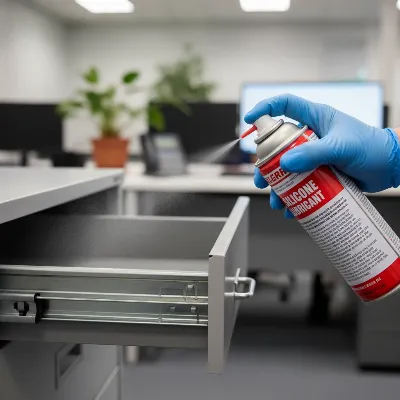 Applying silicone lubricant to filing cabinet drawer slides for smooth operation
5. Address Locking Mechanism Issues
If your cabinet has a lock and the drawers are still stuck even when unlocked, the internal locking mechanism might be the problem. Filing cabinets often have anti-tip mechanisms that prevent multiple drawers from opening simultaneously; a fault here can lock all drawers.
- Ensure it’s Unlocked: Double-check that the key is fully turned to the unlocked position.
- Manually Release Lock Bars: For lateral filing cabinets or those with a central locking bar, if the drawer won’t open, you can sometimes manually release the mechanism.
- Take a thin, rigid object like a putty knife or a flathead screwdriver.
- Slide it into the narrow gap between the stuck drawer front and the cabinet side, usually near the locking cylinder or where the lock bar would be.
- Gently try to push down or away from the drawer front to disengage the internal locking bars. You might hear a “click” as the mechanism releases.
- Check for Loose Horizontal Bar: Sometimes, the horizontal release bar connecting the lock cylinder to the vertical release bars on the sides can come loose, especially after moving the cabinet. If you can access the sides (often by removing a neighboring drawer or the top drawer if it’s the only one that opens), a gentle nudge with a screwdriver can realign it.
- Avoid Destructive Fixes: Resist the urge to cut internal safety ribbons or force components apart, as this can disable important safety features like the anti-tip mechanism.
6. Repair or Realign Damaged Hardware
After lubrication and addressing the lock, inspect other hardware.
- Loose Handles: If a handle is loose, tighten the screws securing it to the drawer front.
- Bent Catch Clips: Some cabinets have small “J”-shaped catch clips on the front sides that help align the drawer. If these are bent, gently bend them back into place using pliers.
- Worn Rollers/Broken Welds: If the drawer feels wobbly or grinds even after cleaning and lubricating, the roller bearings on the slides might be worn out, or the slide itself might have detached from the drawer (common in overloaded metal cabinets where spot welds break).
- Worn Rollers: Replacing rollers typically involves disassembling the slide mechanism, which can be complex. You might need to consult the manufacturer or a professional.
- Broken Spot Welds: If the metal slide has detached from the drawer, you might be able to re-secure it using small bolts and nuts through the existing holes, or by drilling new ones if necessary. This is a more involved repair.
7. Dealing with a Severely Stuck Drawer (Prying)
If all else fails and the drawer simply won’t budge even an inch, careful prying may be necessary as a last resort.
- Be Gentle: Use a flathead screwdriver or a putty knife.
- Work the Edges: Insert the tool into the seam between the stuck drawer and the cabinet frame.
- Apply Even Pressure: Gently pry, moving along the edges. The goal is to release any hooks or catches without damaging the cabinet or drawer. This method requires patience and a light touch to avoid dents or bent metal.
the key to successful DIY repair is patience and systematic troubleshooting. Forcing a drawer can often cause more damage than good.
Preventing Future Drawer Jams
Once you’ve successfully fixed your filing cabinet drawer, adopting a few preventative measures can ensure it stays smooth and functional for years to come. Proactive maintenance is always easier than reactive repairs.
Here are some tips to prevent future jams:
- Avoid Overloading: Be mindful of the weight and volume of contents in each drawer. Distribute files evenly across drawers, and avoid stuffing them so tightly that papers catch on the edges. When adding new files, ensure they are properly aligned and not protruding.
- Maintain Cabinet Level: Periodically check that your filing cabinet is level, especially if it’s been moved or if your office floor is uneven. Adjust leveling feet or add shims as needed. A level cabinet prevents the frame from warping and keeps drawer slides aligned.
- Regular Cleaning: Make it a habit to clean the drawer tracks every few months. Use a brush or compressed air to remove accumulated dust, dirt, and small debris like paper clips. A clean track is a smooth track.
- Routine Lubrication: Apply a suitable lubricant (silicone spray for metal/plastic, wax for wood) to the drawer slides and moving parts every 3-6 months. This reduces friction and prevents sticking or squeaking. Always wipe away excess lubricant.
- Proper Use: Avoid slamming drawers shut or forcing them open. Gentle, deliberate movements will prolong the life of the slides and mechanisms. If a drawer feels stiff, investigate the cause rather than using excessive force.
- Check Locking Mechanisms: If your cabinet has a lock, ensure it’s functioning correctly. Periodically check that the internal locking bars move freely and are not sticking, which can be lubricated with graphite powder.
- Quality Matters: When purchasing new filing cabinets, invest in quality models from reputable brands. Higher quality construction and materials tend to be more durable and less prone to common issues.
By incorporating these simple maintenance habits into your routine, you can significantly reduce the chances of encountering a stuck filing cabinet drawer again, keeping your documents accessible and your workspace efficient.
Conclusion
A stuck filing cabinet drawer is a common but resolvable office annoyance. By systematically addressing potential issues, from simple overloading and misalignment to cleaning debris and lubricating slides, you can quickly restore your cabinet’s functionality. to approach the problem patiently, using the right tools and techniques to avoid further damage. Regular maintenance, including keeping your cabinet level, cleaning tracks, and consistent lubrication, is key to preventing future jams and ensuring your important documents remain easily accessible. Don’t let a stubborn drawer disrupt your productivity; empower yourself with these DIY fixes to keep your workspace running smoothly.
Have you ever discovered a surprisingly simple fix for a stuck drawer that wasn’t mentioned here?
Frequently Asked Questions
Frequently Asked Questions
What type of lubricant is best for metal filing cabinet drawers?
For metal filing cabinet drawers, silicone spray lubricant or white lithium grease is generally recommended. These lubricants provide smooth operation and are less likely to attract dust and dirt compared to oil-based products. Apply sparingly to the slides and moving parts every 3-6 months.
Can overloading a filing cabinet drawer cause it to get stuck?
Yes, overloading is a very common cause of stuck filing cabinet drawers. Too many files, heavy items, or objects that fall out of place can cause the drawer to warp, put excessive strain on the slides, or create physical obstructions that prevent smooth opening and closing. Distribute contents evenly to prevent this.
How do I remove a filing cabinet drawer that is completely stuck?
If a drawer is completely stuck, first try emptying it. Then, locate release levers or tabs on the drawer slides (usually found by pulling the drawer out as far as it can go). Simultaneously press or lift these tabs on both sides while gently pulling the drawer forward. If this fails, carefully use a thin, rigid object like a putty knife to try and disengage internal locking mechanisms by sliding it into the gap between the drawer and the cabinet.
Why do all my filing cabinet drawers suddenly get stuck?
If all drawers are stuck, the issue is likely with the entire cabinet's structure or a central locking mechanism. First, check if the cabinet is level using a spirit level; an uneven surface can cause misalignment for all drawers. If there's a lock, ensure it's fully disengaged, as a faulty central locking bar can seize multiple drawers simultaneously.
Is WD-40 good for lubricating filing cabinet slides?
While WD-40 can provide a temporary fix for a stuck drawer, it is generally not recommended for long-term lubrication of filing cabinet slides. It's an excellent penetrating oil and rust dissolver, but it can attract dust and grime over time, leading to future sticking issues. Silicone spray or white lithium grease is a better choice for sustained smooth operation.
How often should I lubricate my filing cabinet drawers?
To prevent sticking and maintain smooth operation, it's a good practice to clean and lubricate your filing cabinet drawers every 3 to 6 months, or whenever you notice them becoming stiff or noisy. Regular maintenance extends the lifespan of your cabinet and keeps your documents easily accessible.
Fix a Stuck Filing Cabinet Drawer
This guide provides step-by-step instructions to diagnose and fix a stuck filing cabinet drawer, addressing common issues like obstructions, misalignment, and lack of lubrication.
Carefully remove all files and items from the stuck drawer. Use a flashlight to check for any fallen objects like pens or paper clips behind the drawer or in the tracks. Clear any obstructions found using tweezers or pliers.
Place a spirit level on top of the filing cabinet to check if it's level both front-to-back and side-to-side. If uneven, adjust any leveling feet or place thin shims under the cabinet's base until it sits flat. Even slight adjustments can improve drawer movement.
Gently pull the stuck drawer out as far as possible. Use a brush, vacuum, or compressed air to thoroughly clean dust, grime, and small debris from the drawer tracks. Inspect the tracks for any bending or damage and use pliers to gently straighten minor bends.
Apply a suitable lubricant sparingly to all moving parts of the drawer slides. For metal or plastic slides, use silicone spray or white lithium grease; for wooden slides, use candle wax. Slide the drawer back and forth several times to distribute the lubricant evenly and wipe away any excess.
Ensure the cabinet's lock is fully disengaged. If the drawer remains stuck, use a thin, rigid object like a putty knife to gently pry into the gap between the drawer and cabinet, near the lock cylinder, to manually disengage internal locking bars. Avoid forcing or cutting safety ribbons.
Get our weekly buyer guide
Practical specs, not advice. Unsubscribe anytime.

I thought I was going to have to call someone to fix my filing cabinet, but these DIY steps were a lifesaver. The part about checking the cabinet’s level was something I never would have thought of, and it actually made a difference for my slightly wobbly cabinet. It’s great to have my documents accessible again without a struggle.
Great tips! My biggest issue was definitely overloading. I didn’t realize how much weight I had crammed into one drawer until I took everything out. After redistributing the files and giving the tracks a good wipe down, the drawer is much happier. It wasn’t a 30-minute fix for me because I had so many papers, but it was worth the effort.
The advice about lubricating the slides was helpful, and it did make my drawer a bit easier to open. However, I still feel like it’s not as smooth as it used to be. I tried cleaning the tracks really well, but maybe my cabinet is just too old. It’s an older model, so I might need to look into replacing the slides entirely if it gets worse.
I was so frustrated with my home office filing cabinet! It had been getting harder and harder to open, and then it just completely jammed. Following the steps here, especially emptying the drawer and checking for debris, made a huge difference. It turns out a pen had rolled into the back of the track. Now it slides perfectly smooth again, saved me from buying a new one!