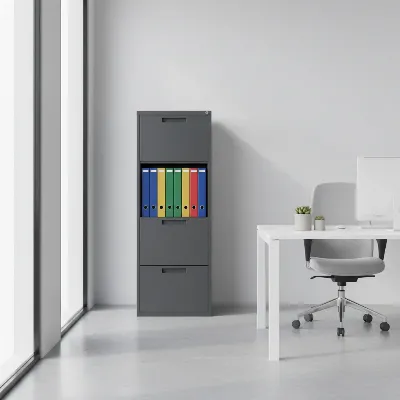
Are you struggling with a chaotic mess of papers in your filing cabinet, or perhaps a new cabinet lacking proper organization? Installing divider rails is a straightforward DIY project that can transform any drawer into an efficient filing system, saving you time and stress. Whether you’re upgrading an existing cabinet or outfitting a new one, understanding the different types of rails and their installation methods is key to achieving a perfectly organized workspace. This comprehensive guide will walk you through everything you need to know, from selecting the right rails to a step-by-step installation process and essential maintenance tips, ensuring your important documents are always at your fingertips.
What Are Filing Cabinet Divider Rails?
Filing cabinet divider rails, also commonly known as hanging file rails or file bars, are essential components designed to support hanging file folders within a cabinet drawer. They create a structured framework that allows files to suspend freely, preventing them from slumping, creasing, or getting lost at the bottom of a drawer. These rails typically run along the inside edges of the drawer, forming a sturdy track for the hanging folders to slide along. Without them, hanging file folders would be unusable, leading to disorganization and inefficiency in any office setting.
These specialized rails come in various forms and materials, catering to different cabinet types and user preferences. Their primary function is to optimize space and accessibility, ensuring that documents are not only stored but also easily retrievable. From simple, side-to-side configurations to more complex front-to-back systems in lateral cabinets, divider rails are the unsung heroes of document management.
Common Types of Filing Cabinet Divider Rails
Understanding the different types of divider rails available is crucial for selecting the right solution for your specific filing cabinet and organizational needs. Each type offers distinct advantages in terms of material, installation, and flexibility.
Metal Divider Rails
Metal rails are the most common and robust option for filing cabinets. They are typically made from steel and designed for durability and longevity, capable of supporting significant weight from numerous files.
- Advantages:
- Durability: Highly resistant to bending, wear, and tear, making them ideal for heavy use.
- Load Capacity: Can support a large volume of files without sagging.
- Versatility: Available in various lengths and designs, including those for both side-to-side and front-to-back filing. Many are brand-specific but universal options exist.
- Disadvantages:
- Cost: Generally more expensive than plastic alternatives.
- Installation: May require tools for cutting to size or securing with screws, though some drop-in metal frames simplify this.
- Applications: Best suited for high-traffic office environments, professional settings, and where long-term, heavy-duty use is expected.
|
Our Picks for the Best Filing Cabinet in 2026
As an Amazon Associate I earn from qualifying purchases.
|
||
| Num | Product | Action |
|---|---|---|
| 1 | 3 Drawer Small File Cabinet with Wheels, Farmhouse Vertical Filing Cabinet Fits Letter/A4 Size, Rolling File Cabinets Wooden Printer Stand for Home Office, Rustic White |

|
| 2 | VASAGLE 2-Drawer File Cabinet, Small Rolling Filing Cabinet for Home Office, Printer Stand, for A4, Letter-Size Documents, 15.7 x 16.5 x 27.6 Inches, Ink Black UOFC040B16 |
|
| 3 | HOOBRO 2 Drawer File Cabinet with Lock, Under Desk Mobile Filing Cabinet for Home Office, Wooden Farmhouse Office Storage Cabinet, Printer Stand Fits Letter and A4 Size, Walnut and White WH66WJ01 |
|
| 4 | VASAGLE 2-Drawer File Cabinet, Small Rolling Filing Cabinet for Home Office, Printer Stand, for A4, Letter-Size Documents, 15.7 x 16.5 x 27.6 Inches, Snow White UOFC040W46 |
|
| 5 | Letaya 3 Drawer Mobile File Cabinet with Lock,Under Desk Metal Filing Cabinets for Home Office Organizer Letters/Legal/A4((Fully Assembled-Black) |
|
| 6 | 2 Drawer Locking Filing Cabinet | Pre-Assembled Steel Construction | Space-Saving Design is Perfect for Home and Small Office | Letter-Size | Assembled in North America |
|
| 7 | 3 Drawer Tall File Cabinet with Wheels, Farmhouse Vertical Filing Cabinet Fits Letter/A4 Size, Rolling File Cabinets Wooden Printer Stand for Home Office, Rustic White |
|
| 8 | Lorell NuSparc 3 Drawer Locking Filing Cabinet | Pre-Assembled Steel Construction | Space-Saving Design is Perfect for Home and Small Office | Letter-Size | Assembled in North America |
|
| 9 | VASAGLE 2 Drawers File Cabinet with Lock, Printer Stand, Office Filing Cabinet Organizer, for A4 and Letter Size Documents, Ink Black UOFC061B16 |
|
| 10 | 2 Drawer Small File Cabinet with Lock, Farmhouse Vertical Filing Cabinet Fits Letter and A4 Size, Under Desk Wooden File Cabinets for Home Office, Printer Stand, Rustic White |
|
PVC/Plastic Divider Rails
Plastic divider rails offer a lightweight and often more affordable alternative to metal, commonly used for lighter loads or as a quick DIY solution.
- Advantages:
- Affordability: Typically less expensive, making them a budget-friendly option.
- Easy Installation: Many plastic rails are designed to slide over drawer edges or are part of simple drop-in frames, often requiring no tools or minimal cutting.
- Lightweight: Easy to handle and maneuver during installation.
- Disadvantages:
- Durability: Less robust than metal, prone to bending or breaking under heavy loads.
- Load Capacity: Not suitable for large volumes of heavy documents.
- Applications: Ideal for home offices, light-duty filing, or temporary organizational needs. They are also a good choice for converting existing drawers into file storage.
Adjustable/Universal Divider Rail Systems
These systems provide enhanced flexibility, allowing users to customize filing configurations within a drawer. They often feature brackets and bars that can be repositioned.
- Advantages:
- Customization: Allows for both letter-sized and legal-sized files, or even creating divided storage within a single drawer.
- Adaptability: Can be adjusted to accommodate different folder sizes or to change filing direction (front-to-back or side-to-side).
- Versatility: Many are designed to fit a wide range of cabinet brands and drawer dimensions.
- Disadvantages:
- Complexity: May involve more components and a slightly more involved installation process compared to simple fixed rails.
- Cost: Can be more expensive due to their adjustable features.
- Applications: Perfect for users with diverse filing needs, those who anticipate changes in document sizes, or for maximizing space in lateral filing cabinets.
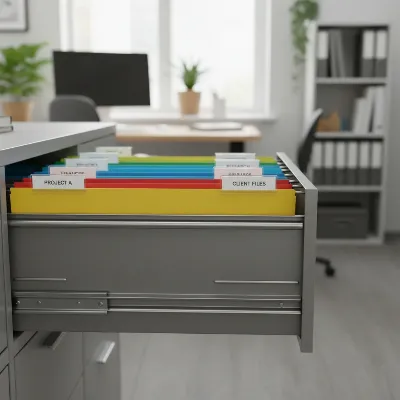 Close-up of metal filing cabinet divider rails in an open drawer, supporting hanging files
Comparing Different Divider Rail Types
Choosing the right divider rail depends heavily on your specific needs, budget, and the type of filing cabinet you have. Here’s a comparison to help you make an informed decision:
| Feature | Metal Divider Rails | PVC/Plastic Divider Rails | Adjustable/Universal Systems |
|---|---|---|---|
| Material | Steel or aluminum | PVC or other durable plastics | Metal (steel, aluminum) with plastic components |
| Durability | Excellent, highly resistant to wear and heavy loads | Good for light use, prone to bending with heavy loads | Very good, similar to metal, with flexible components |
| Load Capacity | High, suitable for large volumes of documents | Low to medium, best for light filing | High, especially for custom configurations |
| Cost | Higher | Lower | Moderate to Higher |
| Installation | May require cutting, screwing; some drop-in options | Often tool-free, slides over drawer sides, cut-to-fit | Can be more involved, assembly of components, positioning |
| Aesthetics | Professional, industrial look | Basic, functional | Modern, flexible |
| Flexibility | Fixed sizes, can be custom cut | Cut-to-fit, generally fixed configuration | Highly adaptable for letter/legal, front/back filing |
| Best For | Heavy-duty, long-term, professional use | Home office, light filing, budget-conscious | Custom needs, varied document sizes, lateral cabinets |
When selecting divider rails, consider the frequency of use and the weight of the documents you plan to store. Overlooking the load rating of your drawer slides and the cabinet itself can lead to damage and disorganization. Always ensure your cabinet’s structure can support the added weight of files on the new rails.
DIY Guide: How to Install Divider Rails in a Filing Cabinet
Installing divider rails is a practical project that significantly improves file organization. This step-by-step guide covers the general process for various types of installations.
1. Assess Your Needs and Gather Materials
Before starting, determine the purpose of your filing system. Will you be filing letter-sized or legal-sized documents? Will files run front-to-back or side-to-side? This assessment will dictate the type and length of rails you need.
- Tools & Materials:
- Tape measure
- Pencil
- Hacksaw or utility knife (for cutting rails if needed)
- Screwdriver or drill (if rails require fastening)
- Level
- Protective gloves and eyewear
- Your chosen divider rails (metal, PVC, or adjustable kit)
- Hanging file folders (for testing fit)
2. Take Precise Measurements
Accurate measurements are critical for a successful installation. Always measure the inside dimensions of the drawer where the rails will be placed.
- Drawer Interior Width: Measure from one inside wall to the other.
- Drawer Interior Depth: Measure from the front inside panel to the back inside panel.
- Drawer Interior Height: Measure from the bottom of the drawer to the top edge. Ensure at least 10 inches of interior height for most hanging file applications, plus about 1-1/4 inches of clearance above folder tabs to prevent snagging.
- Rail Height: Consider the optimal height for rails so folders hang freely without touching the drawer bottom or the bottom of the drawer above it.
3. Choose the Right Rail Type and Prepare
Based on your measurements and needs, select the appropriate rails. If you chose a universal or custom-cut option, you might need to prepare them.
- PVC Rails: If using PVC rails that slide over the drawer sides, cut them to the correct depth using a utility knife or hacksaw.
- Metal Rails: If using metal rails that need to be cut, measure and mark carefully, then cut with a hacksaw. File down any sharp edges.
- Drop-in Frames: Assemble the frame components according to the manufacturer’s instructions.
4. Installation Steps
The installation method varies depending on the rail type.
For Side-Mount or Recessed Rails (Common in Wood or Metal Drawers)
- Mark Placement: Using your measurements, mark the precise location for the rails on the inside walls of the drawer. Ensure they are level and parallel to each other.
- Pilot Holes (if needed): If your rails require screws, drill small pilot holes at your marked spots to prevent splitting wood or making it easier to drive screws into metal.
- Secure Rails: Attach the rails securely to both sides of the drawer using screws. Start with one end, ensure it’s level, then secure the other end.
- Test Fit: Place a few hanging file folders onto the newly installed rails. Slide the drawer open and closed to confirm smooth movement and adequate clearance. Adjust if folders rub or feel tight.
For PVC/Plastic Slide-Over Rails (Often for Converting Existing Drawers)
- Cut to Size: If not pre-sized, cut the PVC rails to the depth of your drawer.
- Position: Simply slide the PVC rails over the top edges of the drawer sides. They should fit snugly.
- Test Fit: Insert hanging files and check for proper clearance and movement.
For Drop-in File Systems (Metal or Plastic Frames)
- Assemble Frame: Follow the manufacturer’s instructions to assemble the individual components of the drop-in frame. This usually involves connecting four bars to form a rectangle.
- Place in Drawer: Once assembled, simply drop the frame into the drawer. Some systems may have small rubber feet or tabs to keep them stable.
- Fasten (Optional): Some drop-in frames have options to fasten them to the front and back of the drawer for added stability, though often they are designed to be freestanding.
- Test Fit: Verify that hanging files fit and move freely within the frame.
For Front-to-Back Rails in Lateral Cabinets
Lateral cabinets often have existing side-to-side hang-rails. To add front-to-back filing, you’ll install specific front-to-back rails that hook onto these existing side rails.
- Extend Drawer: Pull the drawer out fully, pressing plastic tabs on the slides if necessary to extend it without completely removing it.
- Identify Rail Ends: Front-to-back rails often have a diamond-shaped hole at one end, which typically indicates the rear of the drawer.
- Hook Front: Fit the front hook of the front-to-back rail into the hook on the existing front hang-rail.
- Drop Rear: Raise the rear of the front-to-back rail to about 45 degrees, then drop it so the rear hook rests on the existing rear hang-rail.
- Position: Adjust the position of the front-to-back rails to create the desired number of file banks (e.g., three rows in a 42-inch wide cabinet). The drawer side will serve as the outermost edge for the hanging files.
- Reset Slides: Push the drawer all the way in, then open and close it several times to properly reset the slides.
> “The key to a truly organized filing system isn’t just having a cabinet, but having the right internal structure. Divider rails are fundamental to that structure, turning a simple box into a powerful document management tool.” – Sarah Chen, Office Organization Expert
Popular Divider Rail Solutions
While many filing cabinet brands have proprietary rail systems, several universal or highly-regarded options are favored for their quality and adaptability. These solutions are often sought after for both new installations and replacement needs.
Universal Adjustable File Bars
Many manufacturers offer adjustable file bars that can span various drawer widths, allowing for both letter and legal-sized documents to be filed front-to-back or side-to-side. Brands like Kinetron offer versatile metal hanging rails that can be positioned at different heights or even below the top of the drawer if depth allows. These are particularly useful when you need flexibility for changing filing needs or for converting non-filing drawers.
PVC Hanging File Rail Components
For a cost-effective and easy-to-install option, PVC rail components from brands like Custom Accents are popular. These systems slide over the top edges of drawer sides and can be cut down to fit specific drawer depths. They are a favored choice for DIY enthusiasts looking to quickly convert existing drawers into functional file storage without complex modifications.
Brand-Specific Replacement Rails
For popular filing cabinet brands like Hon, Steelcase, Haworth, Herman Miller, Meridian, Knoll, and Allsteel, dedicated replacement rails are available. Companies like FileRail.com and Office Replacement Parts specialize in providing these, often with guides to help identify whether you need “old style” or “new style” rails based on specific cabinet features and lock codes. These ensure a perfect fit and restored functionality for branded cabinets.
 A person's hands installing a metal divider rail into a wooden drawer, with hanging files nearby
Tips for Arranging and Maintaining Your Filing Cabinet Divider Rails
Once your divider rails are installed, proper arrangement and maintenance will ensure your filing system remains efficient and your cabinet stays in top condition.
Arranging Files for Maximum Efficiency
- Categorize Logically: Group documents by client, project, date, or subject. Use broad categories first, then create subcategories.
- Color-Coded Folders: Utilize different colored hanging folders for major categories to provide a quick visual cue, making it easier to locate files.
- Clear Labeling: Label all hanging folders clearly and concisely. Consider using a label maker for uniformity and readability.
- A-Z or Chronological: Within each category, arrange files alphabetically or chronologically, whichever makes the most sense for quick retrieval.
- Don’t Overstuff: Avoid overstuffing individual hanging folders, as this can strain the rails and make it difficult to pull folders out. If a folder gets too full, divide its contents into two.
- Leave Room for Growth: Always leave some empty space at the end of each rail or category for new documents, preventing immediate disorganization.
Maintaining Your Divider Rails and Cabinet
- Regular Cleaning: Periodically wipe down your rails with a damp cloth to remove dust and debris that can accumulate and impede the smooth movement of files. For metal rails, ensure they are thoroughly dried to prevent rust.
- Check for Wear: Inspect the rails for any signs of bending, warping, or rust (for metal). Early detection of issues can prevent more significant problems.
- Lubricate (Metal Rails): If metal rails become stiff or squeaky, a light application of a silicone-based lubricant or a graphite stick can improve smoothness. Avoid oil-based lubricants as they can attract dust and dirt.
- Tighten Fasteners: If your rails are screwed into place, occasionally check and tighten any loose screws to ensure stability.
- Address Rust Promptly: For metal rails, if rust spots appear, gently clean them with fine-grit sandpaper or steel wool, then apply a rust-inhibiting primer or clear coat to prevent further corrosion.
- Avoid Excessive Weight: Always be mindful of the weight you place on your rails. Exceeding the cabinet’s or drawer’s load rating can lead to structural damage to both the rails and the cabinet.
Troubleshooting Common Rail Issues
- Stuck or Jammed Folders: This often indicates overcrowding or a bent rail. Remove some files, check the rail for damage, and straighten if possible.
- Rails Becoming Loose: If rails detach or wobble, re-secure them using appropriate fasteners. For slide-over rails, ensure they are cut to the correct length and fit snugly.
- Sagging Rails: Usually a sign of excessive weight or a material not robust enough for the load. Consider upgrading to heavier-duty metal rails if your current ones are plastic or lightweight metal.
Cost of Filing Cabinet Divider Rails on the Market
The cost of filing cabinet divider rails can vary significantly based on material, brand, length, and whether they are universal or brand-specific. Understanding these factors will help you budget for your organizational project.
Price Segments
- Budget-Friendly ($10 – $30 per pair): This segment typically includes PVC or basic plastic slide-over rails, or simple, shorter metal file bars for individual drawers. These are excellent for light-duty use or converting existing furniture.
- Mid-Range ($30 – $70 per pair/kit): Here you’ll find more robust universal adjustable metal file bars, or standard replacement rails for common cabinet brands (e.g., specific lengths for Hon, Steelcase). These offer a good balance of durability and value.
- Premium ($70 – $150+ per pair/kit): This category includes heavy-duty, specialty, or custom-cut metal rails, often for larger lateral cabinets or unique drawer configurations. Brand-specific rails for high-end office furniture might also fall into this range, especially if they are complex systems for front-to-back filing in wide drawers.
Factors Affecting Price
- Material: Metal rails (especially heavy-gauge steel) are generally more expensive than plastic or PVC alternatives due to their durability and manufacturing costs.
- Length/Size: Longer rails for wide lateral cabinets or custom-cut options will typically cost more than standard letter-sized rails.
- Brand Compatibility: Rails designed specifically for major office furniture brands (like Steelcase, Haworth, Hon) can sometimes be pricier due to proprietary designs and specific fitting requirements.
- Adjustability and Features: Universal or adjustable systems that offer flexibility for different file sizes or configurations tend to be more expensive due to their enhanced functionality and complexity.
- Supplier: Purchasing directly from a specialty parts supplier or an office furniture dealer might incur different costs compared to general hardware stores or online marketplaces.
When comparing prices, always consider the quantity (often sold in pairs) and whether the price includes all necessary hardware for installation. Investing in higher-quality rails, especially for frequently used cabinets or heavy document loads, can save money in the long run by preventing damage and replacement costs.
Conclusion
Installing divider rails in your filing cabinet is a highly effective way to transform cluttered drawers into models of organization. By carefully measuring, selecting the appropriate type of rail—be it durable metal, cost-effective PVC, or a versatile adjustable system—and following the DIY installation steps, you can create a filing system tailored to your specific needs. Remember that proper maintenance and smart arrangement techniques will keep your documents easily accessible and your cabinet functioning smoothly for years to come. With these insights, you’re well-equipped to tackle this rewarding project and bring lasting order to your paperwork. What kind of organizational transformation will you initiate in your office today?
Frequently Asked Questions
Can I install divider rails in a regular dresser drawer?
Yes, you can often convert a regular dresser or desk drawer into a filing drawer by installing divider rails. You’ll need to measure the interior dimensions carefully to ensure enough height and width for hanging files, then choose a suitable rail system, such as cut-to-fit PVC rails or a drop-in file frame.
What’s the minimum height needed for hanging files with rails?
For most standard hanging file folders, an interior drawer height of at least 10 inches is required from the bottom of the drawer to the top edge. Additionally, ensure about 1-1/4 inches of clearance above the folder tabs to prevent snagging when opening and closing the drawer.
Are all filing cabinet rails universal?
No, not all filing cabinet rails are universal. Many filing cabinet manufacturers use proprietary rail designs, especially for lateral cabinets or specific drawer systems. However, universal adjustable file bars or cut-to-fit PVC rails are available that can be adapted to fit a wide range of drawers, making them a good option if you can’t find brand-specific replacements.
How do I know if I need side-to-side or front-to-back rails?
The direction of filing (side-to-side or front-to-back) depends on your cabinet type and preference. Vertical filing cabinets typically use front-to-back rails. Lateral Filing Cabinets are wider and often allow for side-to-side filing, but can also accommodate front-to-back rails (often by hooking onto existing side rails) to create multiple rows of files.
Can I replace broken plastic rails with metal ones?
In many cases, yes, you can replace broken plastic rails with metal ones, provided the drawer’s dimensions and attachment points are compatible. You might need to measure carefully and look for universal metal file bars or kits that can be adapted to your drawer’s interior. This upgrade often provides greater durability and load capacity.