Is a trusty old metal filing cabinet in your office or home storage looking more like a relic of the past due to unsightly rust? Don’t toss it out just yet! With a bit of elbow grease, common household items, and some strategic tools, you can transform that rusty piece of furniture into a functional and aesthetically pleasing asset once again. This comprehensive DIY guide will walk you through everything you need to know, from identifying rust types to applying preventative measures, ensuring your metal filing cabinet serves you well for years to come.
Understanding Your Metal Filing Cabinet and Rust
Metal filing cabinets are a staple in many environments, providing durable and secure storage for important documents. Typically constructed from steel, these cabinets are robust, but their metal composition makes them susceptible to rust. Rust, or iron oxide, forms when iron (or alloys like steel) is exposed to oxygen and moisture over time. This electrochemical reaction creates a reddish-brown flaky coating that not only degrades the appearance of your cabinet but can also weaken its structural integrity if left unaddressed. Understanding why rust forms is the first step in effective removal and prevention.
Essential Tools and Materials for Rust Removal
Tackling rust requires a combination of cleaning agents, abrasive tools, and protective gear. Before you begin, gather the following:
Safety Gear:
- Gloves (rubber for chemicals, work gloves for sanding)
- Safety goggles
- Dust mask or respirator (especially for sanding/grinding)
Cleaning & Rust Removal Agents:
- White vinegar
- Baking soda
- Lemon juice and salt
- Dish soap
- Potatoes (surprisingly effective!)
- Aluminum foil
- Mild cleaning agent/degreaser
- Optional: Commercial rust remover (e.g., Naval Jelly, rust converter)
- WD-40 Multi-Use Product or similar lubricant/protectant
Abrasive Tools:
- Wire brush
- Steel wool or abrasive scrubber
- Fine-grit sandpaper (120-220 grit)
- Optional: Angle grinder with alum oxide flap disc (for heavy rust)
Miscellaneous:
- Clean rags or microfiber cloths
- Bucket for water/solutions
- Screwdriver (to disassemble)
- Primer spray paint (rust-inhibiting)
- Gloss spray paint or metal-specific paint
- Masking tape
Preparing Your Filing Cabinet for Rust Treatment
Proper preparation is crucial for successful rust removal and restoration.
- Empty and Disassemble: Start by completely emptying the filing cabinet of all documents and items. Remove the drawers, handles, and any other removable hardware using a screwdriver. This allows for thorough access to all surfaces.
- Initial Cleaning: Use a mild detergent and water to clean the entire cabinet, inside and out. This removes loose dirt, dust, and grease. For stubborn grease, a degreaser can be used. Wipe down all surfaces with a clean, damp cloth and ensure they are thoroughly dry before proceeding. Any lingering moisture can exacerbate rust.
- Assess Rust Severity: Inspect the cabinet closely. Is it light surface rust, or are there deeply pitted, flaky areas? Your chosen removal method will depend on the extent of the corrosion.
DIY Rust Removal Methods Using Household Items
For light to moderate rust, many effective solutions can be found right in your kitchen. These natural methods are often safer and more eco-friendly than harsh chemicals.
White Vinegar and Aluminum Foil
White vinegar’s acetic acid is excellent for dissolving rust.
- Process: First, spray WD-40 Multi-Use Product on the rusted area and wipe it with a cloth to remove any dirt and grease. Then, sprinkle some white vinegar directly onto the rusted areas. Take a piece of aluminum foil, crumple it into a ball, and dip it in vinegar. Use the foil ball to scrub the rusted spots. The aluminum foil acts as a gentle abrasive and reacts chemically with the rust and vinegar to lift the corrosion away. This method may require significant “elbow grease” for effective results.
|
Our Picks for the Best Filing Cabinet in 2026
As an Amazon Associate I earn from qualifying purchases.
|
||
| Num | Product | Action |
|---|---|---|
| 1 | HOOBRO 2 Drawer File Cabinet with Lock, Under Desk Mobile Filing Cabinet for Home Office, Wooden Farmhouse Office Storage Cabinet, Printer Stand Fits Letter and A4 Size, Walnut and White WH66WJ01 |

|
| 2 | 3 Drawer Tall File Cabinet with Wheels, Farmhouse Vertical Filing Cabinet Fits Letter/A4 Size, Rolling File Cabinets Wooden Printer Stand for Home Office, Rustic White |
|
| 3 | VASAGLE 2-Drawer File Cabinet, Small Rolling Filing Cabinet for Home Office, Printer Stand, for A4, Letter-Size Documents, 15.7 x 16.5 x 27.6 Inches, Ink Black UOFC040B16 |
|
| 4 | 3 Drawer Small File Cabinet with Wheels, Farmhouse Vertical Filing Cabinet Fits Letter/A4 Size, Rolling File Cabinets Wooden Printer Stand for Home Office, Rustic White |
|
| 5 | Lorell NuSparc 3 Drawer Locking Filing Cabinet | Pre-Assembled Steel Construction | Space-Saving Design is Perfect for Home and Small Office | Letter-Size | Assembled in North America |
|
| 6 | 2 Drawer Small File Cabinet with Lock, Farmhouse Vertical Filing Cabinet Fits Letter and A4 Size, Under Desk Wooden File Cabinets for Home Office, Printer Stand, Rustic White |
|
| 7 | VASAGLE 2 Drawers File Cabinet with Lock, Printer Stand, Office Filing Cabinet Organizer, for A4 and Letter Size Documents, Ink Black UOFC061B16 |
|
| 8 | VASAGLE 2-Drawer File Cabinet, Small Rolling Filing Cabinet for Home Office, Printer Stand, for A4, Letter-Size Documents, 15.7 x 16.5 x 27.6 Inches, Snow White UOFC040W46 |
|
| 9 | Letaya 3 Drawer Mobile File Cabinet with Lock,Under Desk Metal Filing Cabinets for Home Office Organizer Letters/Legal/A4((Fully Assembled-Black) |
|
| 10 | 2 Drawer Locking Filing Cabinet | Pre-Assembled Steel Construction | Space-Saving Design is Perfect for Home and Small Office | Letter-Size | Assembled in North America |
|
Baking Soda Paste
Baking soda is a mild abrasive that can effectively lift rust.
- Process: Mix baking soda with just enough water (or hydrogen peroxide for tougher rust) to form a thick paste. Apply this paste generously over the rusted surfaces, ensuring a good, thick layer. Allow it to sit for about 15-20 minutes to give the baking soda time to work. Then, scrub the area with wire wool or an abrasive scrubber until the rust particles are removed. You might need to repeat this process several times for heavily rusted spots.
Lemon Juice and Salt
The citric acid in lemon juice combined with the abrasive power of salt creates a potent rust-fighting duo.
- Process: Sprinkle a generous amount of salt over the rusted area. Then, squeeze lemon juice directly onto the salt, creating a thick layer or paste. The lime juice activates the salt crystals and helps soften rust. Let this mixture sit for two to three hours. After soaking, use an abrasive kitchen sponge or the lemon rind itself to scrub away the rust. Wipe the surface clean and dry it completely.
Potato and Dish Soap
This might sound unconventional, but potatoes contain oxalic acid, which can help dissolve rust.
- Process: First, clean any dirt and grease from the rusted surfaces, potentially using WD-40. Cut a potato in half and rub dish soap onto the cut surface. Use this soapy potato half as a scrubber, rubbing it firmly over the rusted areas. For hard-to-reach corners, you can create a mixture of potato juice and dish soap and apply it with a hand brush or scrubber.
Other Quick DIY Methods
- Cola: The phosphoric acid in cola can help dissolve light rust. Pour cola over the rusted area, let it sit for a few minutes, then scrub with a soft cloth or sponge.
- Mild Cleaning Agent: For very early signs of rust, a mild, metal-appropriate cleaning agent applied with a soft cloth can often wipe away the discoloration before it becomes deeply embedded.
Mechanical Rust Removal Techniques
For more severe rust, you might need to employ mechanical methods to physically remove the corrosion.
Sanding and Wire Brushing
- Wire Brush: For flaky or loose rust, a wire brush can be very effective. Vigorously scrub the rusted areas to remove as much surface rust as possible. Always brush in the direction of the metal grain.
- Sandpaper: After wire brushing, or for less severe but persistent rust, use fine-grit sandpaper (120-220 grit). Sand the cabinet until the surface feels smooth and any remaining rust spots are gone, or until you reach bare metal. If the cabinet is painted, be careful not to remove too much paint unless you intend to repaint the entire unit.
Using an Angle Grinder (for Heavy Rust)
For heavily corroded or painted cabinets that you plan to fully restore, an angle grinder with an alum oxide flap disc can quickly remove rust and old paint, leaving a shiny metal finish.
- Safety First: This method is aggressive and requires extreme caution. Always wear heavy-duty gloves, safety goggles, and a dust mask. Work in a well-ventilated area.
- Process: Attach the flap disc to your angle grinder. Apply gentle, even pressure, moving the grinder steadily across the rusted and painted surfaces. Avoid staying in one spot for too long to prevent gouging the metal. Once the rust and old paint are removed, use fine-grit sandpaper to smooth any rough spots.
Utilizing Commercial Rust Removers
If DIY methods fall short or for particularly stubborn rust, commercial rust removers offer a powerful solution.
- Types: Products like Loctite Naval Jelly (a phosphoric acid gel) cling to surfaces, dissolving rust. Rust converter sprays chemically react with rust to create a stable, paintable surface. Rust remover soaks (e.g., Evapo-Rust, WD-40 Specialist Rust Remover Soak) allow you to submerge smaller parts for easy rust removal.
- Application & Safety: Always read and follow the manufacturer’s instructions carefully. Commercial removers often contain strong chemicals, so proper ventilation, gloves, and eye protection are non-negotiable.
Restoring and Repainting Your Filing Cabinet
Once the rust is removed, the cabinet is ready for restoration to give it that “like new” look and provide protection.
- Surface Smoothing: After rust removal, ensure the surface is perfectly smooth. Use fine-grit sandpaper to refine any areas that were mechanically treated. Wipe away all dust and debris.
- Applying Primer: This is a critical step, especially for metal cabinets that have previously rusted. Apply a rust-inhibiting primer. This primer creates a barrier that prevents future rust from forming and helps the topcoat adhere better. For best results, apply 1-2 thin, even coats, allowing sufficient drying time between coats according to the product instructions.
- Painting: Once the primer is dry, you can apply your chosen topcoat. Spray paint designed for metal (like gloss or enamel paint) works well for a smooth finish.
- Technique: Apply several thin coats rather than one thick coat to avoid drips and ensure even coverage. Allow each thin layer to dry before applying the next. If using multiple colors or masking off areas, use high-quality masking tape for crisp lines.
- Color Choice: You can choose a classic office color, a bold shade for a retro vibe, or even a clear varnish for an industrial raw metal look.
Maintaining Your Filing Cabinet to Prevent Future Rust
Prevention is key to keeping your filing cabinet looking new and extending its lifespan.
- Regular Cleaning: Dust the cabinet surface regularly with a soft cloth to prevent dirt and moisture accumulation. Use gentle cleaning agents and a soft cloth for surface cleaning, avoiding harsh chemical solutions that could damage the metal’s integrity.
- Protective Coatings: After cleaning or restoration, consider applying a protective coating. WD-40 Multi-Use Product can be sprayed onto metal surfaces to prevent moisture buildup and keep them rust-free. A clear varnish or a fresh coat of metal paint also acts as a robust barrier against the elements.
- Environment Control: Store metal filing cabinets in a dry environment with stable humidity. If placed in an area prone to moisture (like a garage or basement), ensure adequate ventilation. If possible, avoid placing them directly against exterior walls that might be damp.
- Prompt Repair: Regularly inspect your cabinets for any signs of new rust spots or damage. Address these immediately with touch-up paint or localized rust removal to prevent the problem from spreading.
> “The key to maintaining any metal surface is thorough and correct preparation. Before applying any paint product, we’d recommend making sure the surface is thoroughly cleaned using a degreaser. It should be dry and free from contamination – remove any mould or mildew using a specialised mould-killing product. If rust has occurred on the metal surface, we’d recommend sanding it back to a glossy surface as much as possible and applying an anti-corrosive primer.” – Emma Irving, Senior Product Manager, Rust-Oleum
Price of Filing Cabinets on the Market
While this article focuses on DIY restoration, understanding the market value of filing cabinets can inform your decision to restore rather than replace. New metal filing cabinets can range widely in price, from budget-friendly options starting around $100-$200 for basic two-drawer models, to mid-range options ($300-$600) offering better security and durability, up to premium, fire-resistant, or multi-drawer lateral cabinets that can cost upwards of $1000. Factors influencing price include:
- Material: Steel is standard, but gauge and finish quality vary.
- Size and Capacity: More drawers or larger dimensions increase cost.
- Security Features: Advanced locking mechanisms or fireproofing add to the price.
- Brand and Design: Reputable brands or specialized designs often command higher prices.
Restoring an existing cabinet is almost always a more cost-effective and sustainable option, especially for minor rust issues.
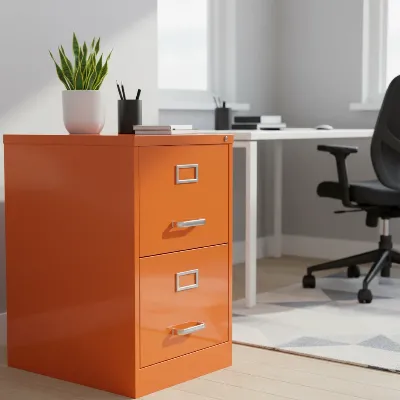 A brightly painted, newly restored metal filing cabinet in a modern office setting
Conclusion
Bringing a rusty metal filing cabinet back to life is a rewarding DIY project that saves money and reduces waste. By carefully cleaning, removing rust with either natural methods or mechanical techniques, and then properly priming and painting, you can transform an eyesore into a durable, attractive piece of furniture. Remember that ongoing maintenance and a protective environment are crucial to preventing future rust and ensuring your revitalized Filing Cabinet remains in excellent condition for years to come. What old metal furniture treasures will you revive next?
Frequently Asked Questions
What causes rust on metal filing cabinets?
Rust forms when the iron in the metal (steel) reacts with oxygen and moisture in a process called oxidation. This typically occurs in humid environments or when the metal is exposed to water.
Can all types of rust be removed with DIY methods?
DIY methods using household items are most effective for light surface rust. For deeply pitted rust or extensive corrosion, you may need to use more aggressive mechanical methods like sanding or commercial rust removers.
Is it necessary to prime a metal filing cabinet after removing rust?
Yes, it is highly recommended to use a rust-inhibiting primer after removing rust. This step creates a protective barrier, preventing new rust from forming under your paint and ensuring your topcoat adheres properly.
How can I prevent my metal filing cabinet from rusting again?
To prevent future rust, keep the cabinet in a dry, well-ventilated area, apply a rust-inhibiting primer before painting, and consider using a protective coating like WD-40 or a weather-resistant paint. Regular cleaning also helps.
What are the safest ways to remove rust from metal?
For safety, always start with less aggressive methods like baking soda or vinegar. When using harsher chemicals or power tools for rust removal, wear appropriate safety gear including gloves, eye protection, and a mask, and ensure good ventilation.
Can I paint over rust on a filing cabinet?
While some “rust converter” products allow painting over treated rust, it’s generally best practice to remove as much rust as possible before priming and painting. Painting directly over active rust can lead to the rust recurring and damaging the new paint finish.
How long does it take to clean and restore a rusty filing cabinet?
The time required depends heavily on the severity of the rust and the chosen method. Light rust might take a few hours, while extensive restoration involving sanding, priming, and multiple coats of paint could take several days, including drying times between steps.